

HVAC problems rarely have a single, obvious cause, which can make diagnosis difficult when a system begins behaving differently. A room that feels unusually warm, for example, could stem from airflow restrictions, thermostat issues, refrigerant problems, electrical faults, or other components that affect system performance. A Local HVAC repair service in Elgin may therefore need to consider several symptoms and operating conditions rather than focusing on one noticeable change. Different faults can also produce similar signs, while a minor issue in one component may affect other parts of the system over time. Understanding these connections helps explain why accurate HVAC diagnosis often requires looking at the entire system rather than treating one symptom as a definitive sign of a specific problem.
How Components Depend on One Another
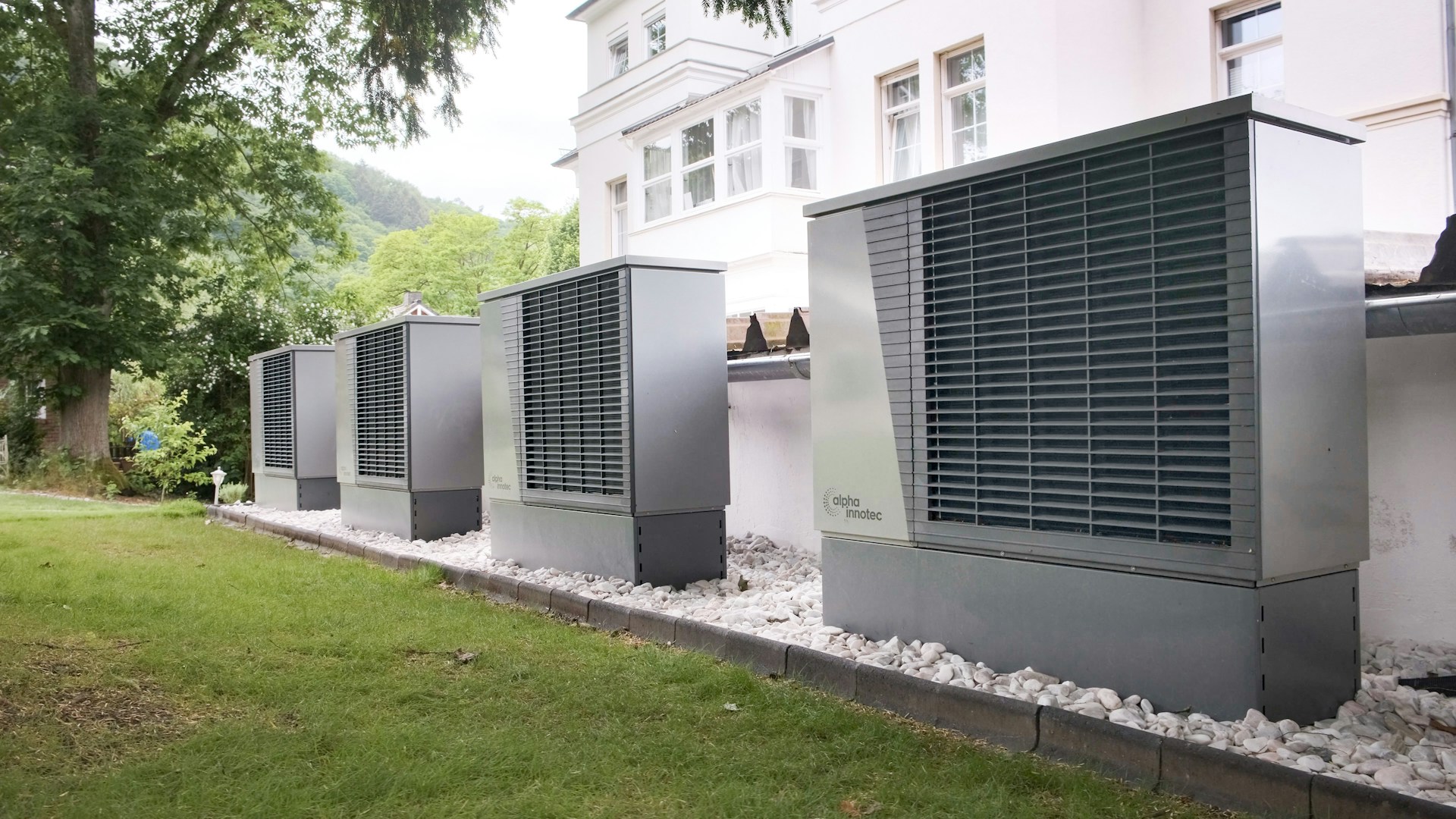
An HVAC system operates as an interconnected process rather than as a collection of completely independent parts. The thermostat influences when equipment operates, while fans, heat exchangers, compressors, coils, ducts, and other components move and condition air. A problem in one part can consequently affect how another component behaves. For example, an airflow restriction can alter temperature conditions and place different demands on equipment. The resulting symptom may therefore appear in a location different from where the original problem began.
Why Building Conditions Can Affect Diagnosis
The building also influences HVAC performance. Insulation, windows, room size, duct layout, outdoor temperature, sunlight, and changes in occupancy can all affect indoor conditions. A system that appears to be malfunctioning may therefore be responding to conditions beyond the equipment itself. Conversely, a genuine equipment problem may become more noticeable under particular weather conditions or patterns of building use. Understanding the surrounding environment is consequently important when interpreting an individual symptom.
How Intermittent Problems Complicate Identification
Some HVAC problems do not occur continuously. Electrical components, sensors, controls, airflow restrictions, and mechanical parts can behave differently under changing temperatures or operating conditions. A system may function normally during one observation and display the problem later. This makes isolated observations less informative because the symptom may not reveal when or why the underlying issue occurs. Intermittent behavior can also produce secondary effects that disappear before the system is examined, making the original cause harder to distinguish from its consequences.
Why Multiple Observations Provide More Context
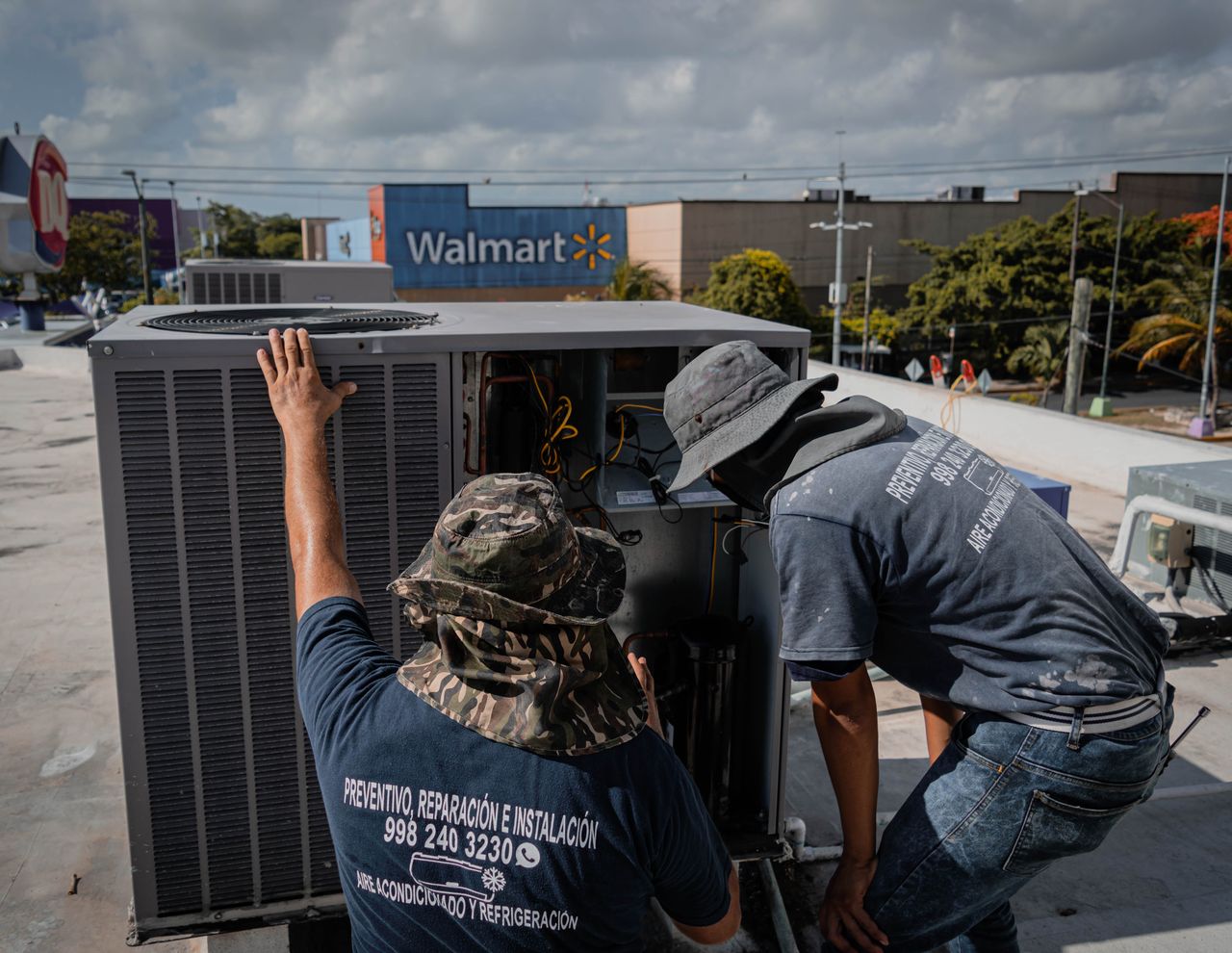
Diagnosing an HVAC problem generally involves considering several pieces of information rather than treating one symptom as a definitive explanation. The timing of the problem, operating conditions, temperature differences, airflow behavior, system history, and related symptoms can provide useful context. Examining these factors together helps distinguish between problems that produce similar visible effects. This matters because replacing or adjusting a component based on one symptom may address an apparent effect without identifying the underlying cause.
HVAC problems can be difficult to diagnose from one symptom because interconnected components and building conditions can produce similar signs for very different reasons. A temperature issue, unusual noise, airflow change, or extended operating cycle may originate from equipment, controls, distribution systems, or environmental conditions. Intermittent faults can make the situation even more difficult to interpret. Looking at multiple observations and understanding how the system and building interact provides a more complete picture than relying on a single visible or noticeable symptom.…